Autistic special interests are limited interests or obsessions autistic people engage in.
They provide belonging, comfort, energy, joy and a sense of purpose.
Special interests define and motivate autistic people, but should not be used like a carrot to a horse on a treadmill because autistic people need to engage in their special interests.

Grounding an autistic person from a special interest is like grounding a non-autistic person from sleep.
As an autistic adult, I want to break down
- what special interests really are,
- how they differ from neurotypical hobbies and
- why they should be embraced rather than discouraged.
What are special interests?
Special interests are deeply focused passions autistic people develop.
Unlike casual hobbies, special interests are long-lasting, and serve as a source of comfort and stability.
Autistic special interests can cover any topic, including
- animals
- art
- history
- people-watching
- technology (incl. machines)
Some autistic people have one lifelong interest, while others rotate between a few or develop new ones over time.
Special interests as a diagnostic criteria
Not all autistic people have special interests.
The DSM-5 requires at least two of the four types of restricted, repetitive behaviors:
- Stereotyped or repetitive motor movements, use of objects, or speech (e.g. simple motor stereotypes, lining up toys or flipping objects, echolalia, idiosyncratic phrases).
- Insistence on sameness, inflexible adherence to routines, or ritualized patterns of verbal or nonverbal behavior (e.g. extreme distress at small changes, difficulties with transitions, rigid thinking patterns, greeting rituals, need to take same route or eat same food every day).
- Highly restricted, fixated interests that are abnormal in intensity or focus (e.g. strong attachment to or preoccupation with unusual objects, excessively circumscribed or perseverative interests).
- Hyper- or hyporeactivity to sensory input or unusual interest in sensory aspects of the environment (e.g. apparent indifference to pain/temperature, adverse response to specific sounds or textures, excessive smelling or touching of objects, visual fascination with lights or movement).
My experience with special interests
Intense interests have consumed my thoughts and energy since I was young. Unlike hobbies, my special interests were all-encompassing.
In elementary school, my special interests were cats, marbles, twins, words and writing. I would spend hours copying words from the dictionary into a notebook, admiring my marbles, writing stories, or playing with or talking about cats.
In middle school, it was 3-inch Polly Pocket dolls. My senior year of high school, I was fascinated by dice and poker chips to the point of having a dice birthday cake. My dad also made me a marble die, which I used as a ten-pound paper weight.
However, I also faced stigma from classmates and teachers. My childhood caregivers criticized and grounded me from my special interests. People thought I was “too obsessed” or “self-absorbed”.
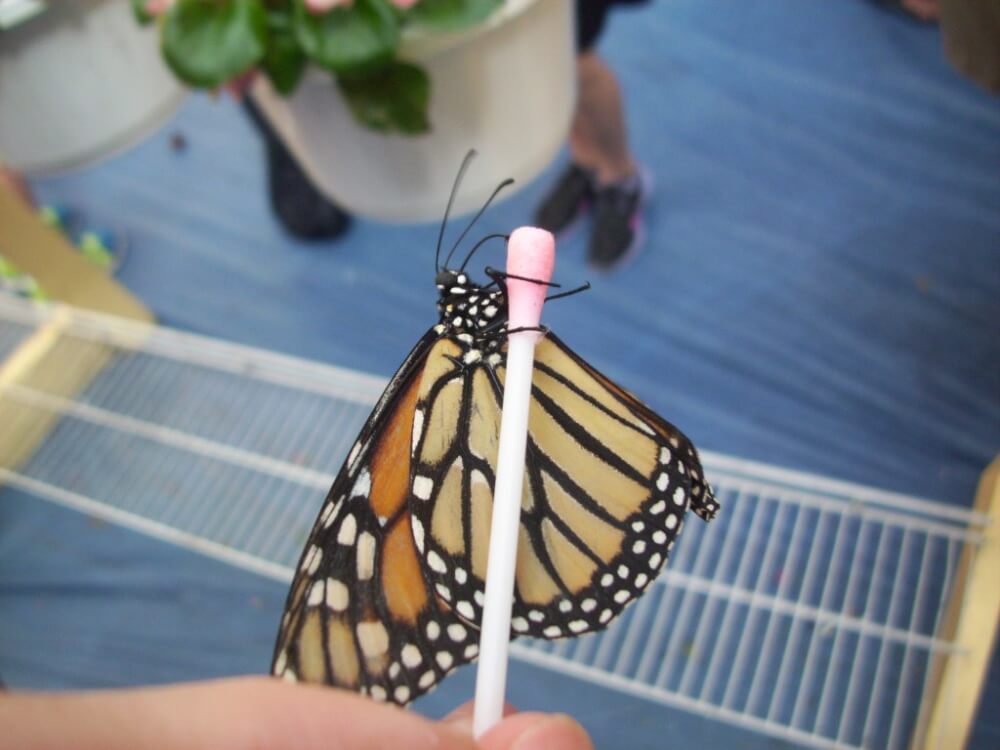
A common assumption among my relatives is that I loved butterflies, originating from one photo I took on a farm and a painting I did in high school Art II of abstract photo realism. I’d chosen a butterfly because it seemed easiest. 😅
(I enjoy the symbolism of butterflies, though!)
In my 30s, I’ve learned to embrace my special interests unapologetically.
My special interests have shaped my identity, helped me cope with stress and even influenced my career path — I blog full-time. I want to be a published author.
Special interests vs. hobbies
There are key differences between hobbies and special interests:
- Emotional connection — Autistics form deep emotional bonds with their special interests.
- Function — Special interests serve as a coping mechanism, helping autistic people self-regulate and find meaning in an overwhelming world.
- Intensity — Special interests can cause us to forget our physiological needs and go without moving for several hours at a time.
Hobbies are a way to pass time, whereas special interests are essential to autistic people.
Autistic people can have hobbies in addition to special interests.
Questions to ask yourself to determine whether your interest is a special one or a hobby:
- How much time do you spend engaging in this interest?
- Can you easily pull yourself away?
- How much do you want or need to know about it?
- How often do you engage in this interest?
- What does this interest mean to you?
Also, engaging with a special interest doesn’t mean doing the special interest “right” or “real”. For example, an autistic person could have a special interest in figure skating and know loads about it like they’ve done it before, despite not having a personal history of figure skating.
Benefits of special interests
Instead of perceiving special interests as limiting or obsessive, recognize instead their benefits.
Career & academic advantages
Autistic people often turn their special interests into successful careers.
There’s an autistic author and content creator with a degree in folklore.
I’ve been thinking about returning to college for degrees in sociology, marketing, nutrition and possibly even psychology. These topics interest me most about my own life, and I know I could benefit from them as a blogger.
Deep expertise & skill-building
There’s an inside joke among autistic people: We can learn in a weekend what would take a non-autistic person a month.
While college degrees do have their place, an autistic person may learn about their special interest to the same level of an associate’s degree.
Autodidacts can learn the equivalent of a college degree, because learning is up to oneself. The caveat is, no one recognizes the self-taught person unless they’ve an impressive portfolio.
In high school, I excelled at maths, but wasn’t so much after being hit with complex post-traumatic stress disorder (CPTSD) and autistic burnout.
Long-term, non-fluctuating special interests can create wonderful career opportunities or equip an autistic person with life skills naturally.
Emotional regulation
Engaging in special interests reduces anxiety and stress, and helps autistic people cope with the demands of life.
Special interests provide comfort and can even be a source of energy!
Predictability
Learning about and engaging in a special interest becomes predictable.
When I need to destress or am struggling with overwhelm or change, my special interests are comfort activities I retreat into to feel safe.
I know exactly what to expect from my blogging efforts, which provides comfort and gives me a routine.
Social opportunities
Connecting with people who share my interests is how I find my community and make friends!
Is this not how all people make friends — finding people who share their interests and values?
Societal perspectives of special interests
There’s a frustrating double standard when it comes to autistic special interests:
When a non-autistic person is a sports fanatic or film connoisseur, that’s considered “normal”.
When an autistic person is equally passionate about something like horses or electric pylons, it’s perceived as obsessive or problematic.
Gender biases play a role, too. Certain special interests are more socially acceptable depending on whether they’re perceived as “masculine” or “feminine” in relation to someone’s gender identity.
Some autistic adults may develop a special interest in sex. Non-autistic people often infantilize autistic people and think this is wrong.
Understanding how society perceives autistic people through biases helps break the stigma round autistic special interests.
How to embrace and support special interests
Embracing special interests without shame is important to autistic people.
Non-autistic people could be supportive of an autistic person’s special interests by listening to them when they talk about it. Infodumping is a way autistic people express love.
Employers and teachers could find ways to incorporate our special interests into our assignments. We’re far more efficient and productive when engaging in our special interests (and leaning into our own strengths, too).
Rather than pathologizing special interests in relation to autism, let’s celebrate them.
If you’re autistic, I encourage you to embrace your special interests fully.
If you know an autistic person, take the time to understand and appreciate their passions — they’re a fundamental part of who they are!
Love this post?
Support me by subscribing to my blog and/or buying me a cuppa:

Comments on this post
The darling guide to blog post inspiration | Autistic Jane
[…] Few ideas actually make it to the public, and maybe it’s easier for me because blogging is a special interest or because there are multiple people in my head, but I figured I’d share the tricks we use so […]
ADHD vs. Autism: What is the Difference? – Find Child & Youth Residential Treatment
[…] have special interests, which run their entire life […]
What Can I Do if My Autistic Child Never Stops Talking? – Find Child & Youth Residential Treatment
[…] not interested in [topic],” but then you might never hear about it at all. Autistic people share about their special interests as a way to connect with the world around them. It lights them […]
RIP 6birds: Rebranding to Janepedia! | Janepedia
[…] else I feel like writing about. Since I’m autistic, my posts greatly depend upon what my special interests are at a given […]
RIP 6birds | Janepedia
[…] else I feel like writing about. Since I’m autistic, my posts greatly depend upon what my special interests are at a given […]
Strength | Janepedia
[…] can be determined by talent – whether in a sport, subject, hobby or other […]
Uncollege: Self-directed learning after highschool | Janepedia
[…] learning everyday. I read and experience. I pull myself out of my comfort zone. My special interests are my motivators—coding, SEO, photography, free-from foods and cooking with them, branding, […]
Get to Know Me: A book tag | Janepedia
[…] uh…I have a hard time naming hobbies […]